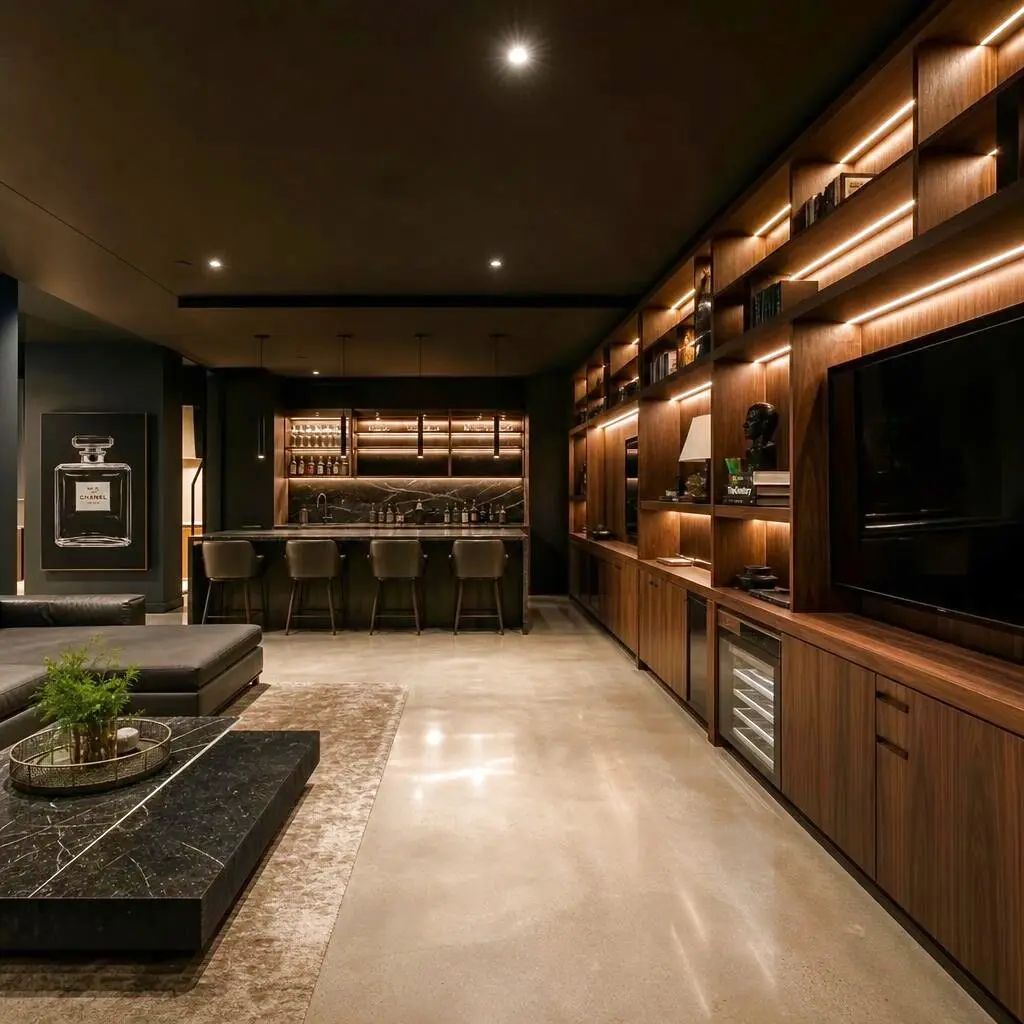
For Utah homeowners in 2026, the improvements with the strongest resale payback are finished and legal-apartment basements, mid-range kitchen and bathroom updates, added living square footage, and high-impact curb appeal. Because Utah is a fast-growing, family-oriented market with real winters and a hot rental economy, buyers reward usable space and energy efficiency more than flashy one-off luxury. The trick is matching the improvement to your neighborhood so you invest at — not above — what the block supports.
The Highest-Return Improvements
Resale impact of common Utah improvements (directional, 2026)
| Improvement | Typical Cost | Resale Impact | Best For |
|---|---|---|---|
| Basement finish | $45k – $90k | High | Homes with unfinished square footage |
| Basement apartment / ADU | $70k – $150k+ | High + income | High-rent areas near jobs and transit |
| Kitchen update (mid-range) | $30k – $75k | High | Dated kitchens in solid neighborhoods |
| Bathroom refresh | $18k – $45k | Medium-High | Original or worn bathrooms |
| Curb appeal & entry | $5k – $25k | High per dollar | Nearly every listing |
| Energy & HVAC upgrades | $8k – $30k | Medium | Older homes with high bills |
1. Finish (or Convert) the Basement
In Utah, unfinished basement space is unrealized value. Finishing adds usable square footage buyers can see and feel, and converting to a legal apartment adds both value and monthly income potential in high-demand areas. We break the numbers down in how much a basement conversion costs in Utah, and the work itself is our basement & ADU conversions specialty. In job-rich, high-rent markets like Salt Lake City and Lehi, the rental angle is especially compelling.
Two details separate a basement that adds real value from one that just looks finished. First, natural light: a bright, code-compliant egress window or walkout makes a lower level feel like true living space rather than a dark bonus room, and it is required for any bedroom. Second, a sensible layout — a bedroom or two, a full bath, and a flexible living area beats a single cavernous room for both appraisal and resale. If you may want rental income later, deciding that up front is far cheaper than retrofitting an apartment after the fact.
2. Update the Kitchen — to the Right Level
A dated kitchen is the fastest way to lose a buyer. But over-improving is a real risk: a $120k kitchen in a $600k neighborhood rarely returns its cost. The sweet spot is a well-designed mid-range update — quality cabinetry, durable stone counters, updated appliances, and better lighting and layout — that reads current without pricing above the block.
Where the money goes matters as much as how much you spend. Cabinetry and counters typically account for the largest share of a kitchen budget, followed by appliances, then lighting and flooring. Small architectural moves — a hidden pantry or scullery to keep the working mess out of sight, or better task and layered lighting — often photograph and show better than another appliance upgrade. Focus the budget on what buyers see and touch first.
3. Refresh Bathrooms Strategically
You don't need to gut every bathroom. Modernizing the primary bath — a curbless shower, warm-metal fixtures, a floating vanity, and better lighting — delivers most of the perceived-value gain. Simple seamless surface updates can transform a tired bathroom without a full tear-out.
Secondary and guest bathrooms usually need far less: fresh paint, updated hardware, a new mirror and light fixture, and re-caulked, clean surfaces read as "cared for" without a full remodel. Reserve the bigger budget for the primary suite, where buyers form their strongest impression. In Utah's dry climate, materials hold up well, so the return comes mostly from style and function rather than moisture-driven repairs — which means smart, targeted updates tend to outperform full tear-outs on a return-per-dollar basis.
4. Add Living Square Footage
Beyond basements, converting underused space adds value efficiently because the shell already exists. Attic and dormer conversions turn dead headroom into a bedroom or office, and under-deck living reclaims outdoor square footage in the sloped lots common across the Wasatch Front.
5. Maximize Curb Appeal
Dollar for dollar, the exterior often returns the most. A refreshed entry, updated garage doors, clean landscaping, and quality exterior lighting shape the first impression that colors the entire showing. Even a smart garage upgrade signals a well-cared-for, modern home.
Wellness and Everyday-Luxury Spaces
Utah buyers increasingly value spaces that support an active, outdoor lifestyle. A home sauna and cold-plunge recovery room or a steam shower reads as a genuine amenity in ski-country and health-conscious markets, and a well-designed mudroom with a dog wash resonates with the trail-and-pet culture across the Wasatch Front. These do not universally return their cost, but in the right neighborhood they help a home stand out and sell faster — which has its own value.
6. Climate-Smart Upgrades Utah Buyers Notice
- Efficient HVAC and insulation: Meaningful in Utah's hot summers and cold winters.
- Heated driveways: A genuine differentiator in snow country like Park City — see heated driveways.
- Whole-home smart systems: Thermostats, lighting, and security that buyers now expect.
Match the Improvement to the Market
The biggest resale mistake is over-improving for the neighborhood. A golf simulator or wine wall can absolutely add value in luxury enclaves around Draper or Park City, where buyers expect and pay for those features — but the same features in an entry-level neighborhood won't return their cost. Invest to the top of your block, not past it.
How to Prioritize When the Budget Is Limited
Most owners can't do everything at once, so sequence matters. Start with anything that scares a buyer or an appraiser — moisture, roof, HVAC, and electrical — because no cosmetic upgrade overcomes a failing system. Next, capture cheap, high-impact wins: paint, lighting, hardware, and curb appeal, which return the most per dollar spent. Then invest in the one or two rooms that drive decisions in your market, usually the kitchen and primary bath. Save big, space-adding projects like a basement finish or apartment conversion for when the budget and timeline allow, since they deliver the largest total value.
Return-per-dollar ranking for Utah sellers (directional)
| Priority | Category | Why It Comes First |
|---|---|---|
| 1 | Systems & moisture | Failures here kill deals no finish can rescue |
| 2 | Curb appeal & cosmetics | Cheapest wins, strongest first impression |
| 3 | Kitchen & primary bath | The rooms that most sway buyers |
| 4 | Added living space | Largest total value; higher cost and time |
How Region Shapes the Right Investment
Utah is not one market. In the Salt Lake valley, near jobs and transit, usable space and legal rental units carry the strongest payback because demand is deep and broad. In Park City and mountain communities, buyers pay real premiums for winter-focused features — heated driveways, mudrooms, recovery rooms — and for turnkey, design-forward finishes. In St. George, the draw is outdoor living and energy efficiency against desert heat; shaded patios, efficient cooling, and low-maintenance landscaping resonate more than snow-country amenities. Match the upgrade to what your specific buyer pool actually wants.
Resale Mistakes to Avoid
- Over-improving past the block. The single most common way to lose money on a remodel.
- Chasing hyper-personal features. Bold, taste-specific choices can shrink your buyer pool; keep the big, expensive surfaces broadly appealing.
- Skipping permits. Unpermitted finished space and rental units create appraisal, financing, and insurance problems at closing.
- Neglecting the boring basics. Roof, HVAC, and moisture issues quietly kill deals no cosmetic upgrade can rescue.
- Ignoring curb appeal. A dated exterior sets a negative tone before a buyer ever walks in.